
- Apr 30, 2011
- 49,143
- 31,805
- 28,180
i think it makes excellent sense, especially for a preseason race
View: https://www.youtube.com/watch?v=ZABZ9f5M2ug



Strange tactics from Vollering. All she has to is to mark the attacks on the climb which finishes 30kms from the finish. Instead she is attacking, however if the sprint teams are organised they will bring it back for a sprint finish.

She missed out on racing/winning yesterday so it makes sense that she wants to push on today. FDJ don't have a great sprinter here either.
Well, about that...
Only 47 riders in Almeria, which means no UCI points on offer, only the honour and bragging rights.
spanish minimum wage ?I fail to understand why there is such a small start list. There should be more conti teams riding this race.


























I read this and only at the end did my eyes drift to the left of the screen to see who posted it.Ayustina Delia Priatna (Indonesian National Team, 5 x Indonesian RR champion) wins the first stage of the Tour of Vietnam from a two-up breakaway. Multiple attacks by various riders and teams until no-one chased down the winning move, the peleton pretty much sat up and came home over 2 minutes back. Kuskova was 15th for Pafgio. Don't think it's a permanent move but re-unites her with Nafosat Kozieva from that Tashkent City Tour de France Femmes team.


Oh, you have no idea the depths of the rabbit holes of obscurity I can plumb. Research for the Race Design Thread has sent me to some very strange places.I read this and only at the end did my eyes drift to the left of the screen to see who posted it.
Someone other than @Libertine Seguros picks up on .2 women's races in Asia: who'd a thunk it?
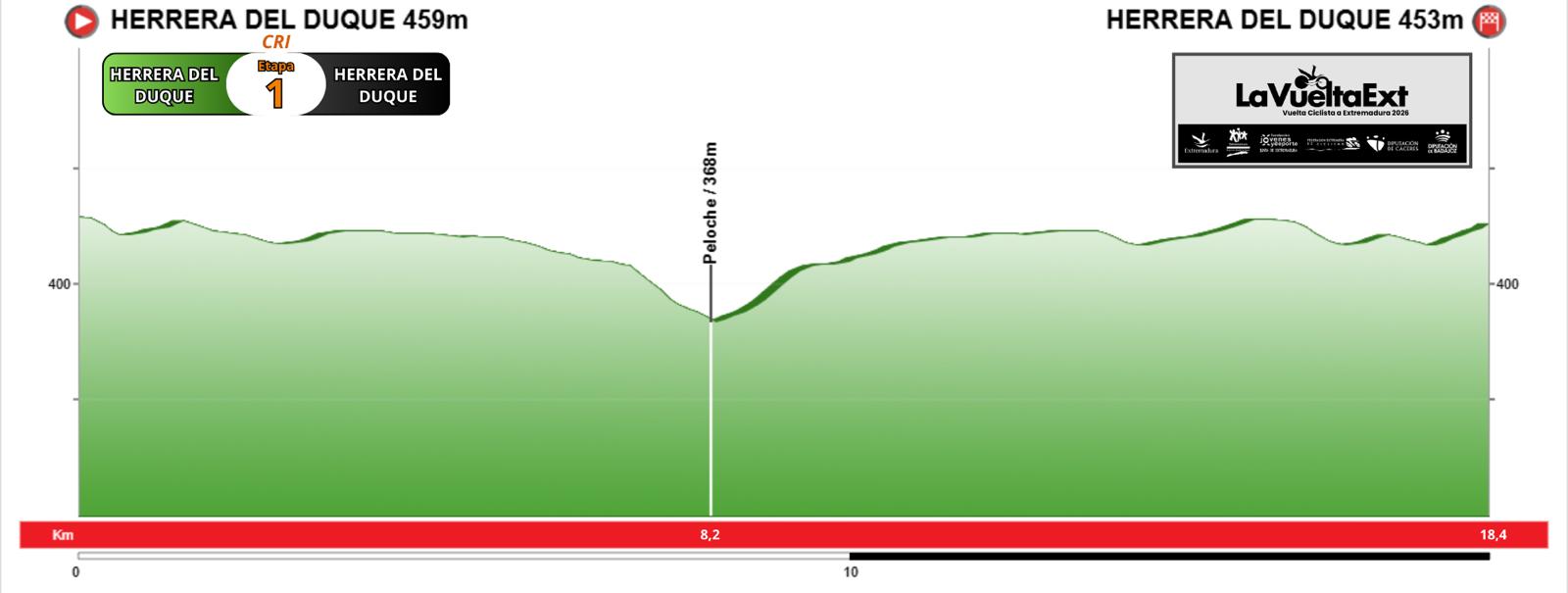
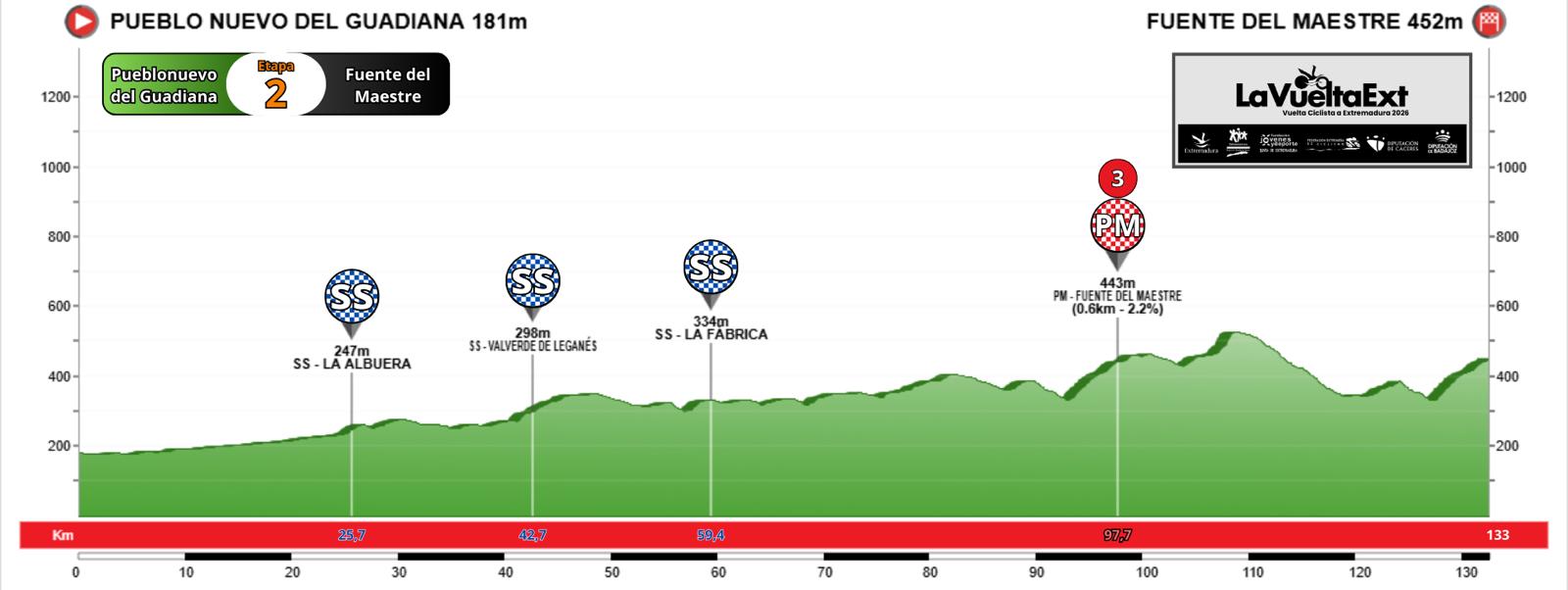

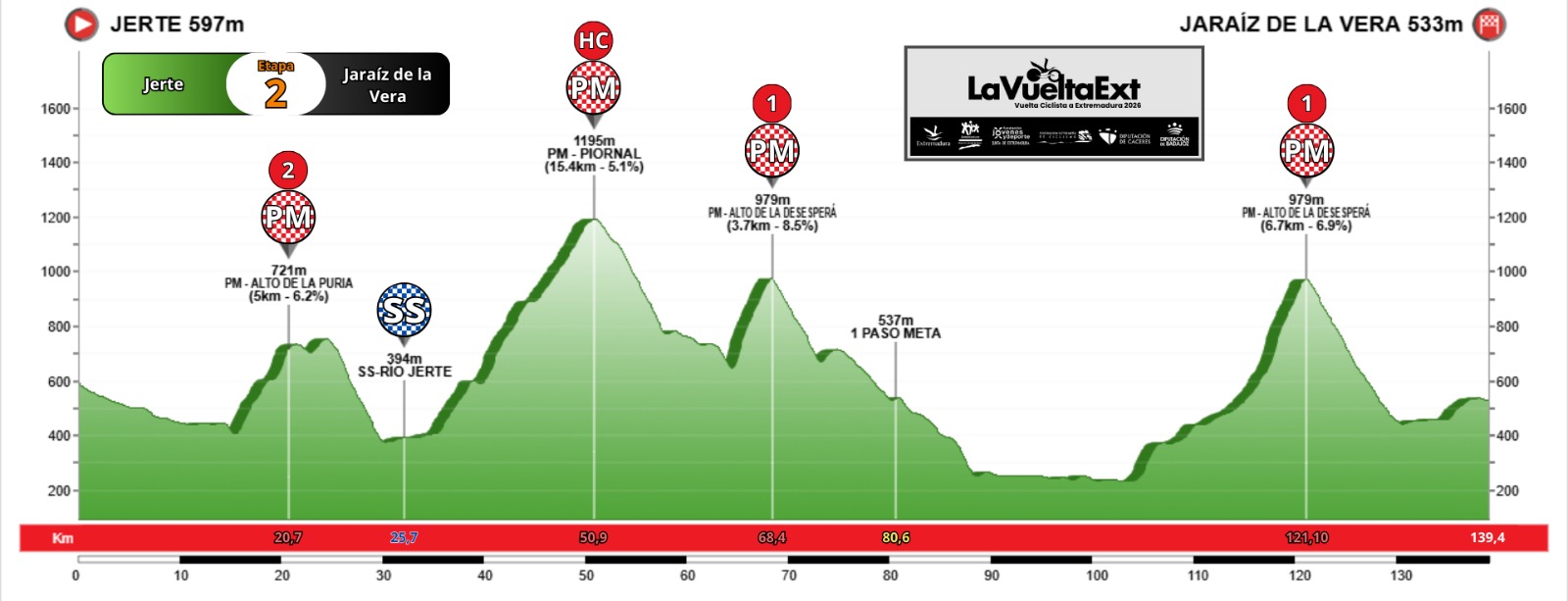


Great stage for Hitec. Karin Soderqvist was third and Alma Moller Rasmussen went on an epic 60km solo breakaway. Another drag of a climb at the end tomorrow (7.5km at 5.5%) should shake out the Stage One escapees from the GC and settle things, although there is a gnarly little section on the profile in the last day.First senior victory for Oda Gissinger in Vietnam after a close sprint against Marina Komina, but she's still 30 seconds behind the escapees from stage one. Frolova lost two minutes.
View: https://x.com/elsterrato/status/2029823075710029892


 Facebook
 Twitter
 Instagram